

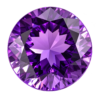



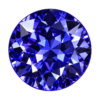

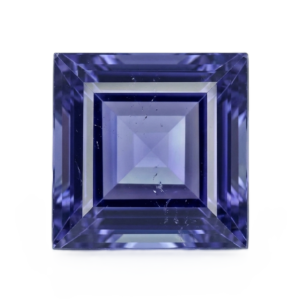
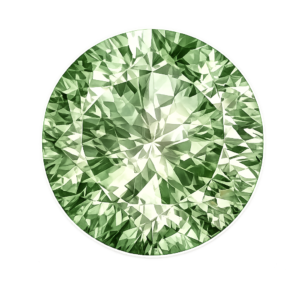
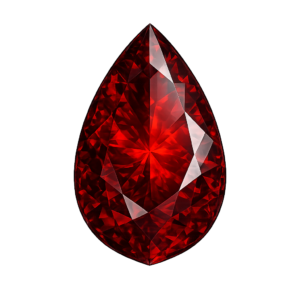
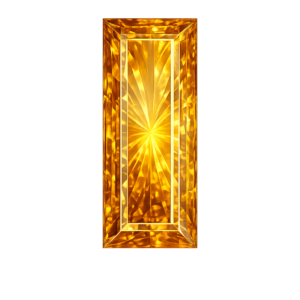
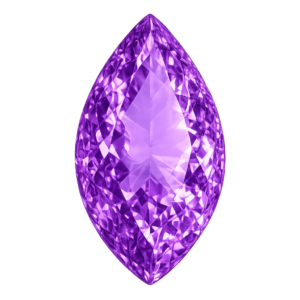
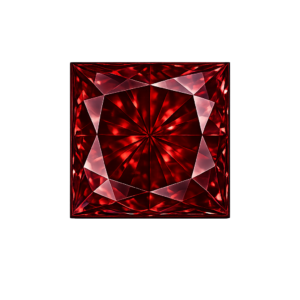
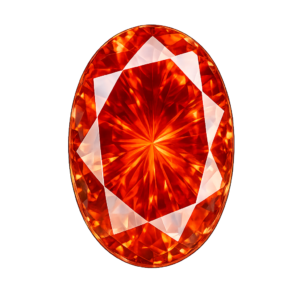
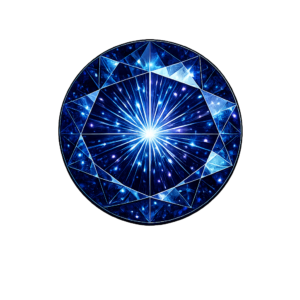
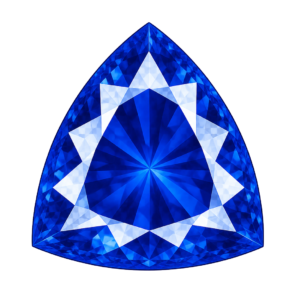
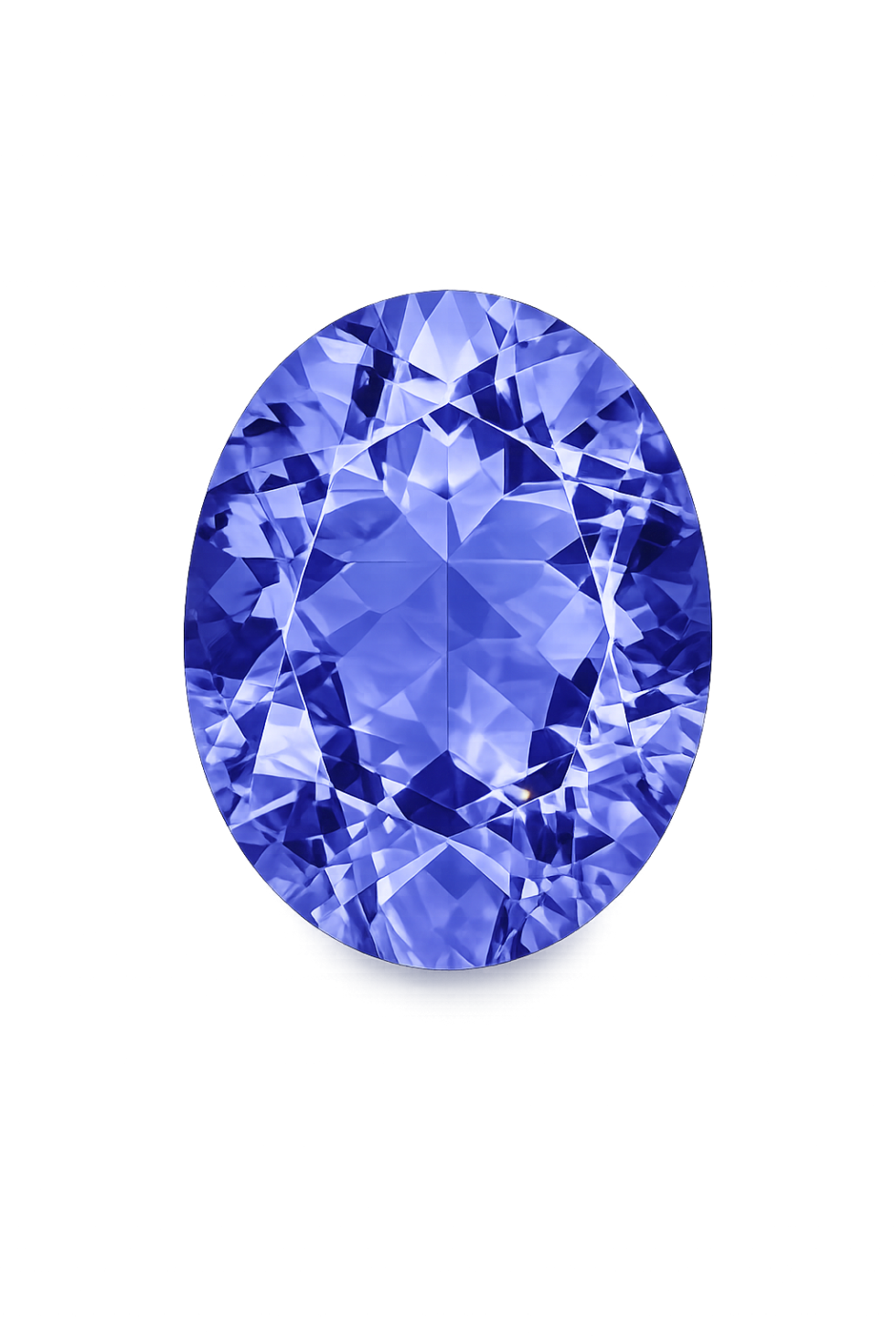
Simulated Tanzanite, Oval
Lab Created Gemstones
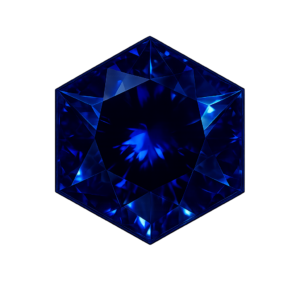
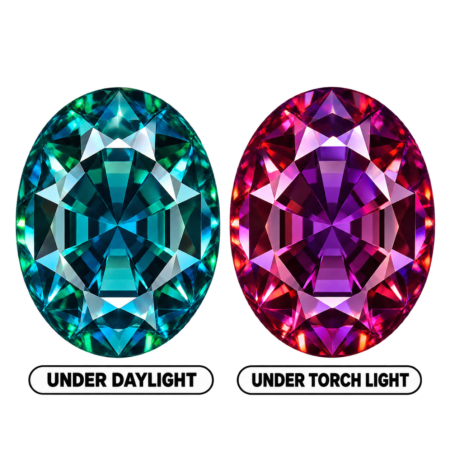
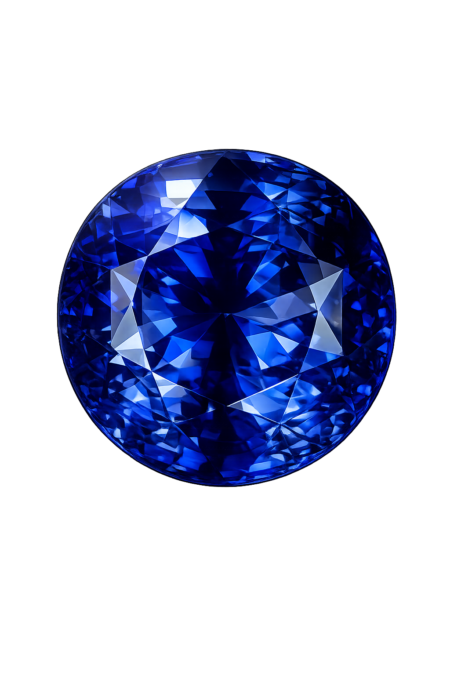
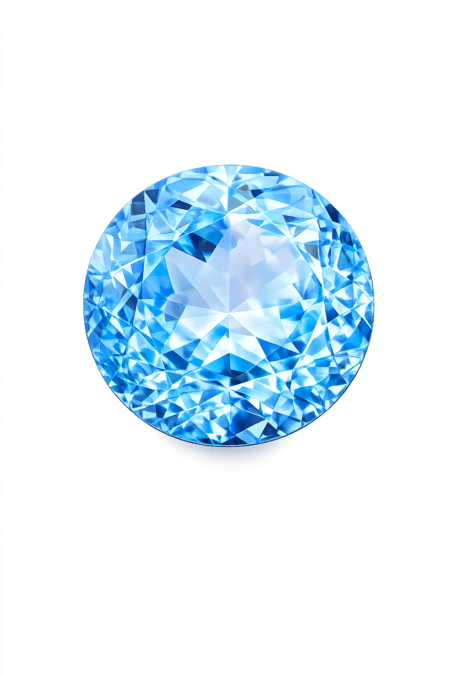
Simulated tanzanite refers to jewelry-grade gemstones engineered to replicate the highly coveted, velvety blue-violet shift of natural tanzanite without its extreme retail price tag or fragile structural flaws.
Price range: $3.75 through $8.85
Description
Additional information
Reviews (0)
Q & A
Lab-created gemstones are fascinating and increasingly popular due to their ethical, environmental, and cost benefits. Unlike natural gemstones, which are formed over millions of years in the Earth’s crust, lab-created gemstones are made using various advanced technological processes. Here are some key points about lab-created gemstones:
-
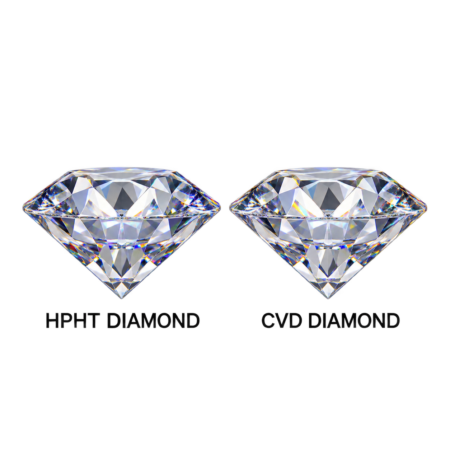
Synthetic Diamonds: Created using high-pressure, high-temperature (HPHT) or chemical vapor deposition (CVD) methods. They have the same physical and chemical properties as natural diamonds.
-
Synthetic Rubies and Sapphires: Often made using the flux method or the Verneuil process (flame fusion). They have the same hardness and appearance as natural corundum gemstones.
-
Synthetic Emeralds: Usually created using the flux method or hydrothermal growth. They replicate the appearance and properties of natural emeralds.
-
Other Gemstones: A wide variety of other stones, like synthetic spinel or moissanite, are also created in labs.
-
Moissanite: Although it is a naturally occurring mineral, it’s often synthesized for use in jewelry. Moissanite is known for its exceptional brilliance and hardness, making it a popular alternative to diamonds.
-
Synthetic Opal: Made using similar methods as natural opal, synthetic opal can exhibit the same play-of-color and appearance but is generally more affordable.
These are just a few examples, as there are many other types of natural gems, each with its own unique characteristics and formation processes.
| Size | 10x6mm, 10x7mm, 10x8mm, 11x9mm, 12x10mm, 12x8mm, 14x10mm, 16x12mm, 4x3mm, 5x3mm, 6x4mm, 7x5mm, 8x6mm, 9x6mm, 9x7mm |
|---|
Q & A
Ask a question
There are no questions yet
Viewers Also Liked

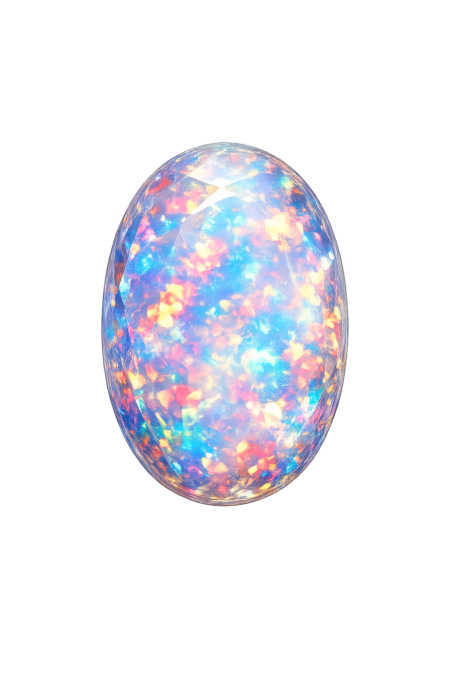
Opal Lab Created Fire and Snow Cabochon Cutting with Flat Bottom, Oval
Price range: $21.00 through $240.00
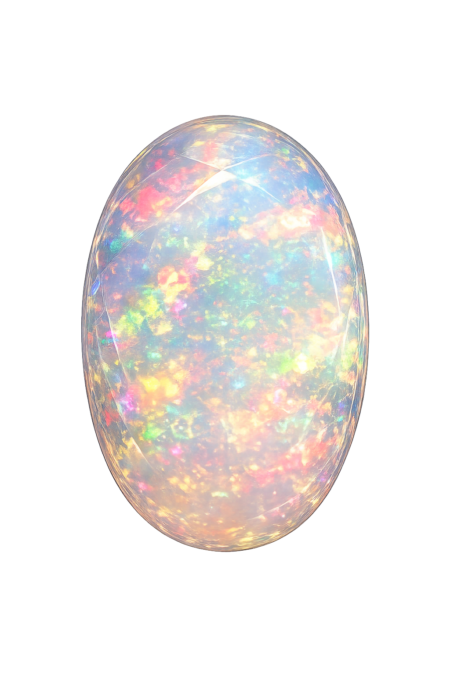
Opal Lab Created Sun and Ice Cabochon Cutting with Flat Bottom, Oval
Price range: $21.00 through $240.00


Reviews
There are no reviews yet